Who Called You From 6267412465, 4432611213, 2282073269, 8556106129, 8884315114, 8442560305?
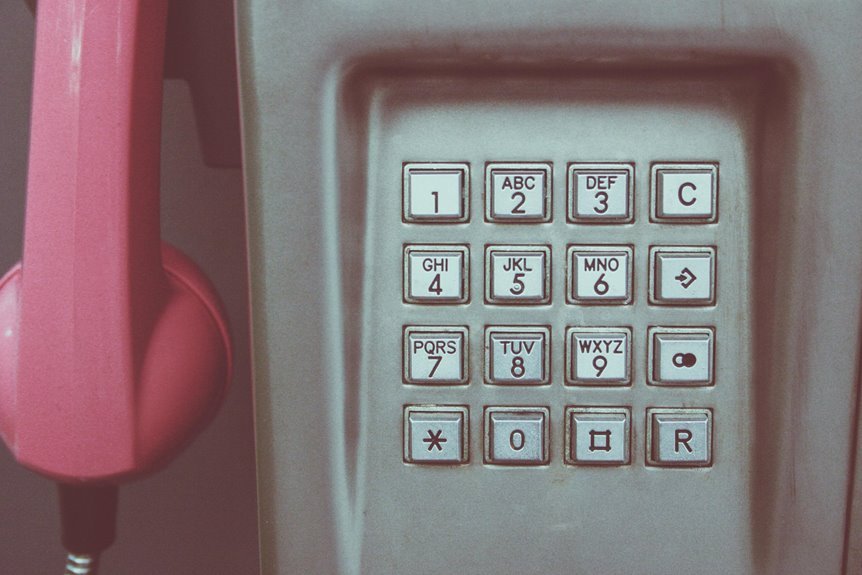
Numerous individuals have reported receiving calls from various numbers, including 6267412465, 4432611213, and 8556106129. These calls often raise concerns about their legitimacy and origin. Understanding the nature of these calls is crucial for personal security. Analyzing caller identification can provide insights into whether these numbers are associated with telemarketing, scams, or legitimate inquiries. What methods can one employ to discern the truth behind these unknown callers?
Understanding the Caller: Breakdown of the Phone Numbers
When analyzing phone numbers, it is essential to recognize that each digit can provide valuable insights into the identity and origin of the caller.
Employing caller identification strategies can help discern potential sources based on established phone number patterns. Analyzing area codes, prefixes, and number sequences allows individuals to make informed decisions regarding incoming calls, enhancing personal security and communication freedom.
Common Reasons for Receiving Unknown Calls
Unknown calls can originate from a variety of sources, prompting individuals to question the intent behind these communications.
Common reasons include unwanted telemarketers seeking to promote products or services and phone scams attempting to defraud unsuspecting recipients.
These calls often exploit technology to mask their origin, leaving individuals vulnerable and uncertain about the legitimacy of the contact, ultimately infringing upon their sense of security and freedom.
Tips for Managing Unwanted Calls and Protecting Your Privacy
Managing unwanted calls requires a strategic approach to safeguard personal privacy and minimize disruptions.
Employing effective blocking techniques, such as utilizing built-in smartphone features or third-party applications, can significantly reduce intrusive calls.
Additionally, implementing call screening allows individuals to filter potential spam or unwanted contacts before engaging.
This combination of methods enhances privacy and contributes to a more controlled communication environment, aligning with the desire for personal freedom.
Conclusion
In conclusion, receiving calls from numbers like 6267412465 and others can often indicate unsolicited marketing or potential scams. Notably, studies suggest that nearly 50% of all phone calls made to mobile devices in the United States are spam. This statistic underscores the importance of employing caller identification methods to discern the legitimacy of incoming calls. By understanding the nature of these calls, individuals can better protect their privacy and reduce the risk of falling victim to fraud.