From Chatbots to Cognitive Agents: The Shift in Interfaces
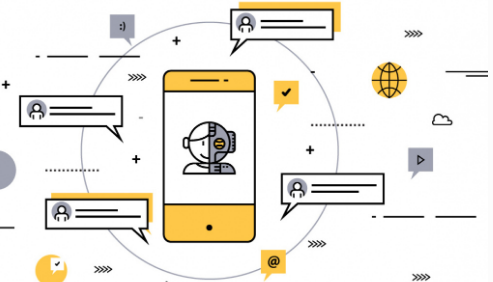
The transition from chatbots to cognitive agents represents a pivotal change in digital communication. While chatbots have limitations in understanding complex interactions, cognitive agents leverage advanced algorithms to comprehend context and learn from previous exchanges. This shift not only enhances user engagement but also raises questions about the future of personalized digital experiences. As industries adapt to these innovations, the implications for human-machine interaction become increasingly significant. What does this mean for the next generation of digital interfaces?
The Evolution of Chatbots: Limitations and Capabilities
As technology has advanced, the evolution of chatbots has transformed the landscape of digital communication, yet significant limitations persist alongside their capabilities.
While capability enhancements have allowed chatbots to handle a broader range of inquiries, they still struggle with nuanced conversations and emotional understanding.
These chatbot limitations highlight the need for continued innovation, ensuring that digital communication remains both effective and meaningful for users.
Understanding Cognitive Agents: How They Work
Chatbots have laid the groundwork for more sophisticated digital interactions, paving the way for the emergence of cognitive agents.
These systems leverage advanced cognitive processing and machine learning to understand context, learn from interactions, and adapt responses.
Read Also: Explainable AI: Why Transparency Matters More Than Ever
The Future of Human-Machine Interaction: Opportunities and Challenges
While the rapid advancement of cognitive agents presents remarkable opportunities for enhancing human-machine interaction, it also brings forth a host of challenges that must be navigated carefully.
Key issues include user experience, ethical considerations, and user trust.
Furthermore, adaptability challenges and communication barriers may hinder integration, necessitating a thoughtful approach to harnessing technological advancements without compromising individuality and freedom in interactions.
Conclusion
As the digital landscape evolves, the transition from chatbots to cognitive agents represents a leap into a more intuitive future of human-machine interaction. Like a bridge connecting two worlds, cognitive agents enhance communication by understanding context and personalizing user experiences. This shift not only addresses the limitations of traditional chatbots but also paves the way for innovative applications across various industries. Embracing these advancements promises a richer, more engaging dialogue between humans and technology, driving progress forward.